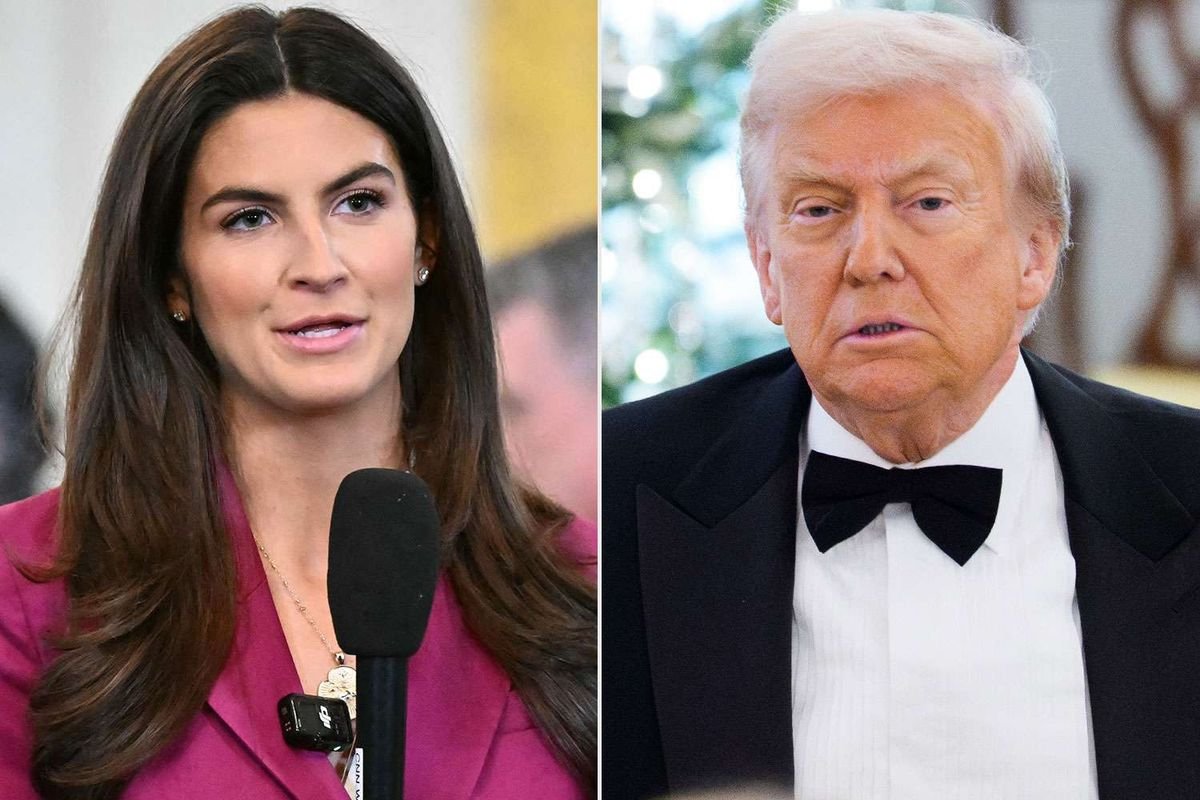
The playbook is becoming familiar. A journalist asks a pointed question. Days later, former President Donald Trump responds on social media—not just with a policy rebuttal, but with a personal insult and a jumble of facts. The latest example involves CNN’s Kaitlan Collins. Over the weekend, Trump took to Truth Social to call the anchor “stupid and nasty,” claiming she had grilled him about White House renovation costs. Collins’s quiet reply cut to the heart of the tactic: the president had confused two entirely different issues.
Trump’s post was a classic blend of grievance and self-promotion. He defended the ballroom project’s increased size and beauty, insisted it was privately funded, and attacked CNN’s relevance. But he anchored his ire to a specific, incorrect premise: that Collins had asked him about the cost. As Collins noted in her response, her actual question to Trump days earlier was about Venezuela, specifically the tension between his threats against the country and his acceptance of a peace prize.
This conflation is telling. It suggests a strategy where any critical reporting or questioning is grouped into a single basket of “fake news,” regardless of the subject. The ballroom story, reported by Collins and others, involves credible questions about spending and process. The Venezuela question was about foreign policy consistency. By mashing them together in his criticism, Trump attempts to discredit the messenger across the board, relying on volume and vitriol to overwhelm the details.
The pattern extends beyond Collins. In recent weeks, female journalists from major outlets have been met with insults like “piggy,” “ugly,” and “stupid” for asking about issues ranging from the Epstein files to a National Guard shooting. The goal appears to be twofold: to deter tough questioning and to energize a base that views the mainstream press as an enemy. Collins’s minimalistic correction—a factual tweak delivered via a temporary Instagram story—refuses to play the expected game of loud confrontation.
In the high-stakes theater of modern political communication, these clashes are more than just gossip. They represent a fundamental struggle over how truth is established and who gets to control the narrative. When a public figure responds to policy inquiries with personal attacks and factual muddles, it challenges the very mechanics of accountability. Collins’s choice to simply, clearly, and politely correct the record is a small but significant stand for clarity in an often-cloudy discourse.