In the pantheon of Hollywood’s Golden Age, few artists commanded the screen with the silent, potent force of Cyd Charisse. While she could act and sing, it was through dance that she achieved true cinematic immortality. Her long limbs and balletic grace became a visual language all their own, telling stories of romance, passion, and drama without a single word of dialogue. Her journey to becoming one of film’s greatest dancers, however, began not on a soundstage, but in a struggle for her own health, shaping an artist who understood the narrative power of the human body.
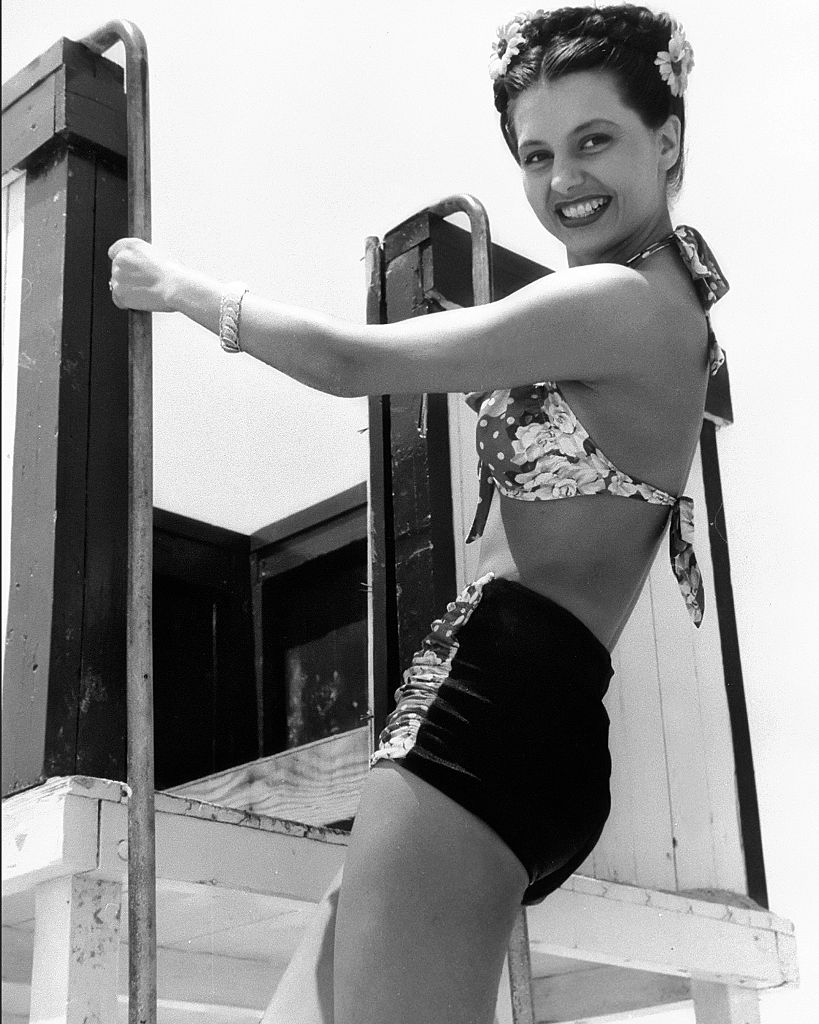
Born Tula Finklea, her early life was marked by a battle with polio. The illness left her frail, and the ballet lessons that followed were initially a practical prescription for strength. This classical training became the bedrock of her unique style. Unlike many musical performers of the era, Charisse brought a rigorous ballet technique to her work, fused with the energy of jazz and the sophistication of ballroom. This versatility made her a perfect partner for both the refined elegance of Fred Astaire and the athletic exuberance of Gene Kelly.
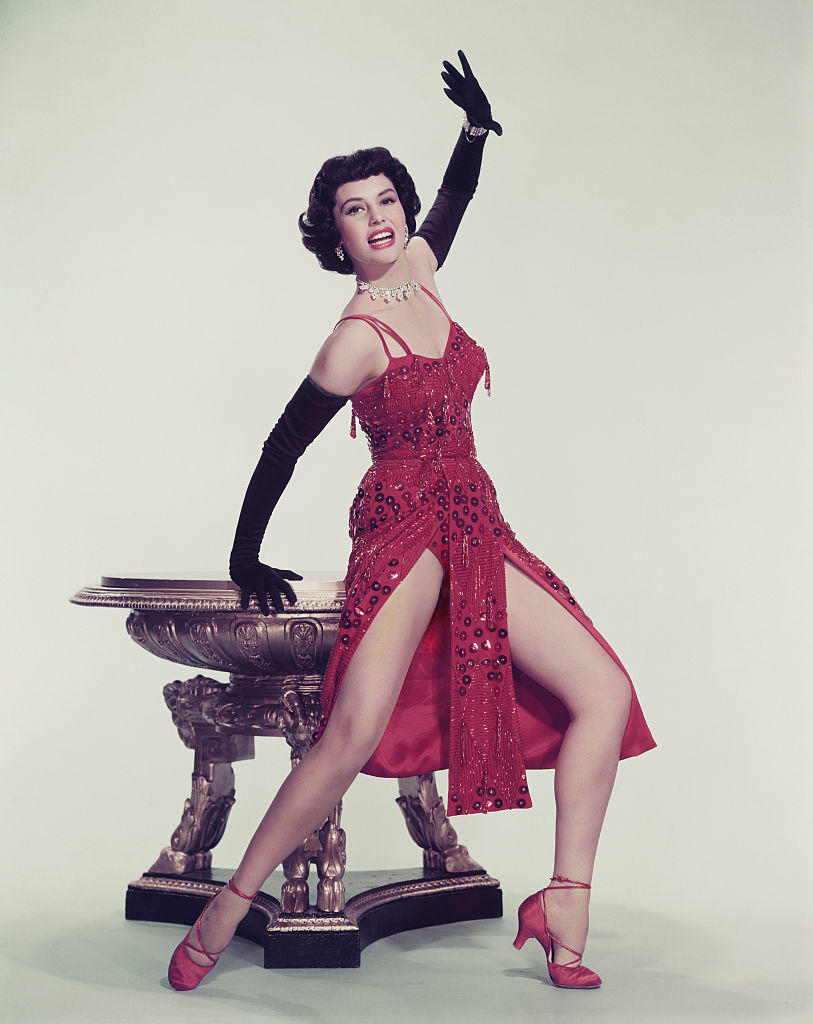
Her entrée into films was through the dance corps, but her presence was too compelling to remain in the background. MGM quickly saw her potential as a leading lady of dance. Her role in “Singin’ in the Rain” is a masterclass in visual storytelling. In the “Broadway Melody” sequence, she is a vision in green, her movements conveying a siren’s allure and a dancer’s soul, creating one of the most iconic ballets in film history. She didn’t need lines; her body was her script.
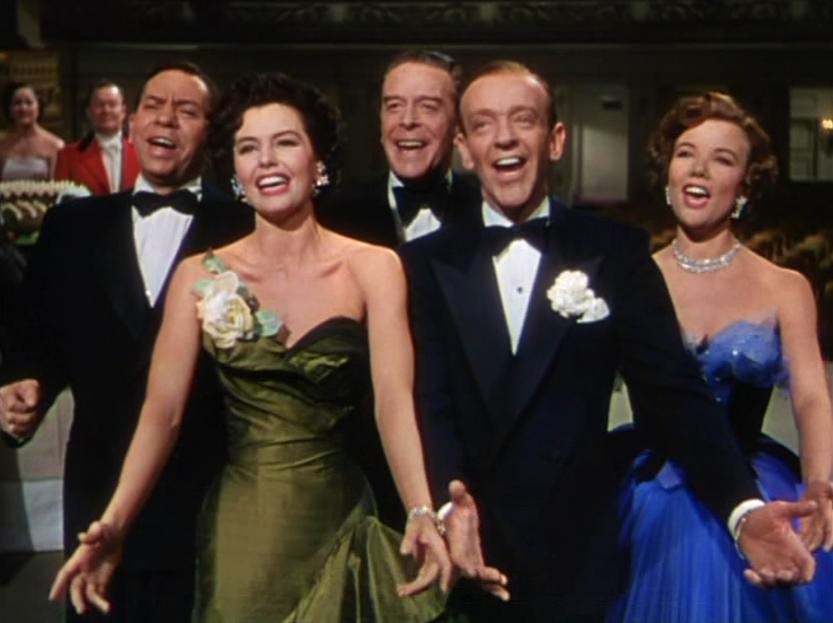
Her collaboration with Fred Astaire in “The Band Wagon” further cemented her status. In the “Dancing in the Dark” number, the pair achieved a sublime synthesis of movement, their choreography speaking of a romantic connection more eloquently than any screenwriter could. She was never merely Astaire’s or Kelly’s partner; she was their equal, a powerful force that could match them step for step while adding her own layer of dramatic intensity. She elevated dance from entertainment to high art.
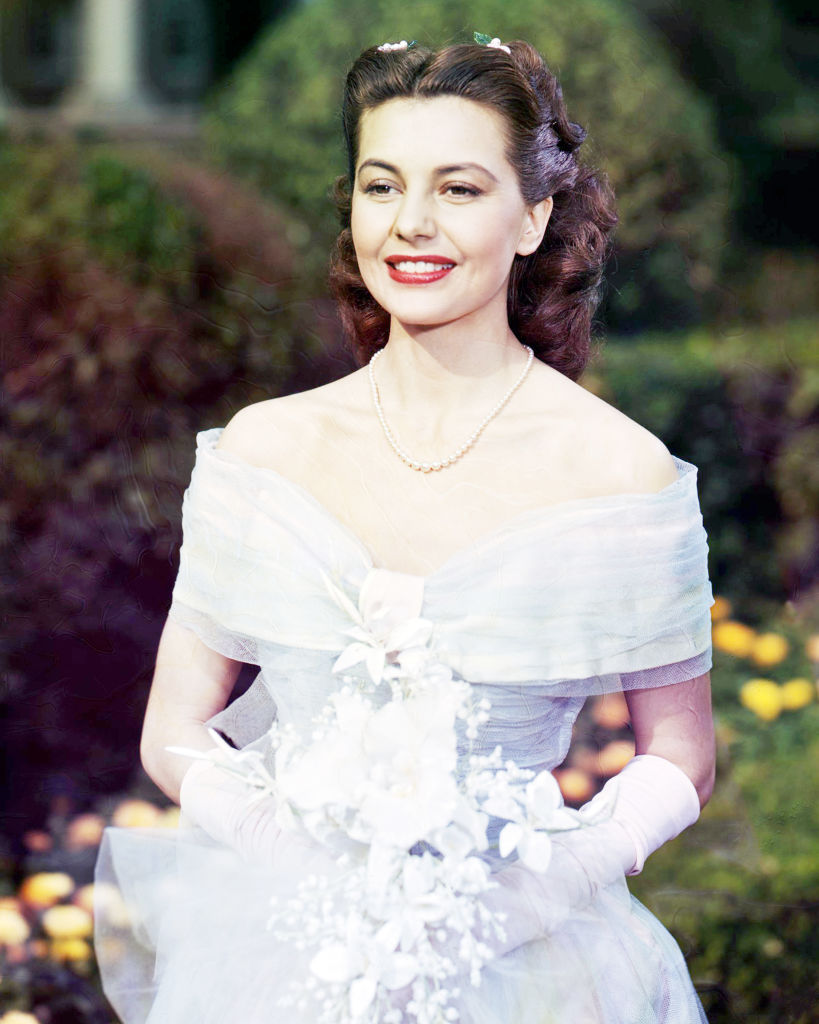
As the era of film musicals faded, Charisse gracefully transitioned to television and stage, her artistry undimmed. Her legacy is a reminder that cinema is a visual medium, and few have used its visual potential so powerfully. Cyd Charisse demonstrated that dance is not just an accessory to a plot, but a profound form of narrative itself. She remains an enduring inspiration, an icon whose true voice was found not in song, but in the breathtaking poetry of her movement.